This guide explains what polyploid induction is, why it matters, and how to document results in a way the community can compare.
Polyploidy increases chromosome copy number (e.g., 2N → 4N) and can reprogram structure, vigor, fertility, and metabolite output — but true outliers are rare.
That’s why this project works like a distributed screening network: standardized protocol, strict controls, evidence-first reporting.
Colchicine is hazardous. Use proper PPE, follow local regulations, and do not improvise.
Controls + consistent photos + tags + replication notes.
This guide is an operational checklist: it standardizes how to apply, document, and compare, so your report becomes useful evidence (and machine-readable).
Don't worry if the instruments in our video look specialized, you can easily substitute these with common household items, which are both affordable and readily available.
For example, instead of using a laboratory beaker, any kitchen measuring cup will do. Likewise, a clean syringe can serve as an effective alternative to a pipette.
It's crucial that all items used are impeccably clean and disinfected with alcohol to prevent any contamination.
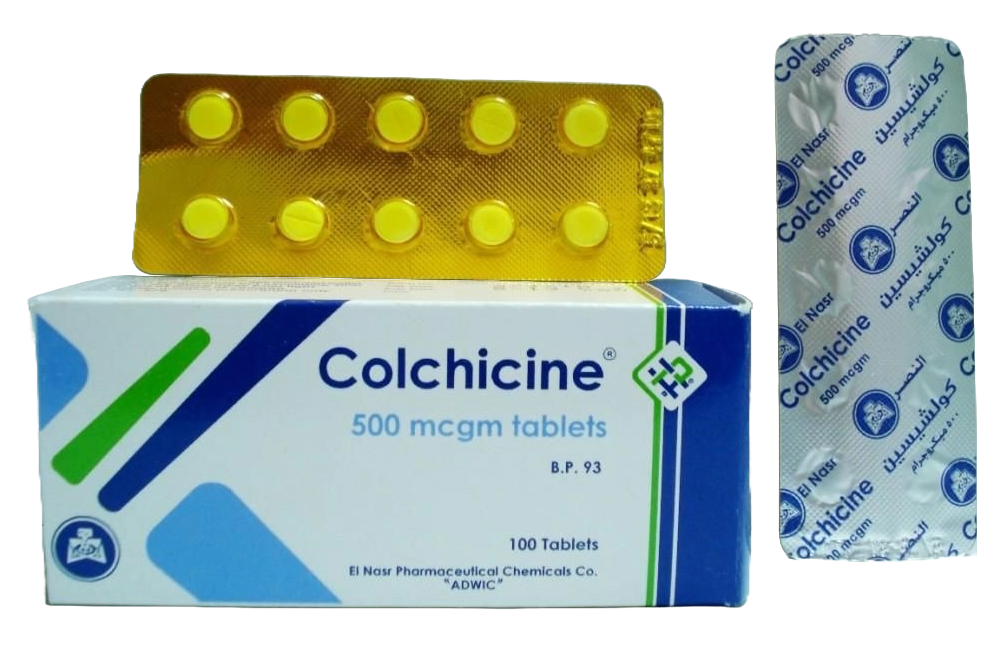
While botanical-grade colchicine is available, we opt for pharmacy-grade (gout medication). It comes in 1mg tablets and is easier to find. Note: With 20 x 1mg tablets you can mutate 100 seeds.
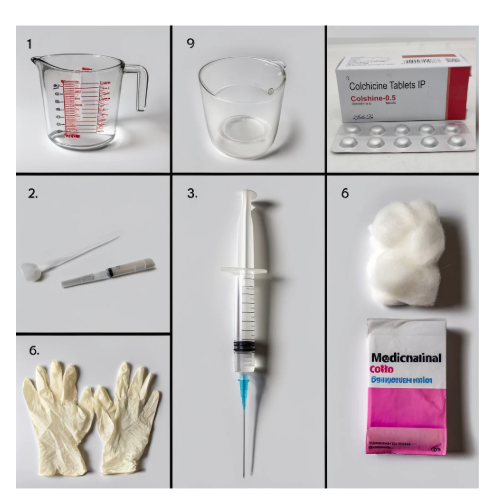
Distilled or mineral. MUST NOT have chlorine.
Germinated seeds (radicle showing), rooted clone, or vegetative branch.
You can use a syringe (without needle) or a medicine dropper.
Any kitchen measuring cup with a 50ml mark. Or use 3.3 tablespoons (15ml each).
A shallow container with a lid (e.g., for germination). Must be clean and flat.
Standard pharmacy cotton wool.
Latex or nitrile gloves from the pharmacy.
Kitchen paper towels.
Colchicine is an alkaloid that can be toxic if ingested or absorbed through the skin in large quantities.
Therapeutic doses treat some conditions, but doses greater than 0.8mg/kg can be dangerous. For a 70kg person, 56mg can be fatal.
Each plant represents a complex genetic system. When applied at the correct concentration, colchicine disrupts the normal mitotic process, compelling chromosomes to remain doubled. But concentration matters. Using too much can kill the plant; too little may do nothing.
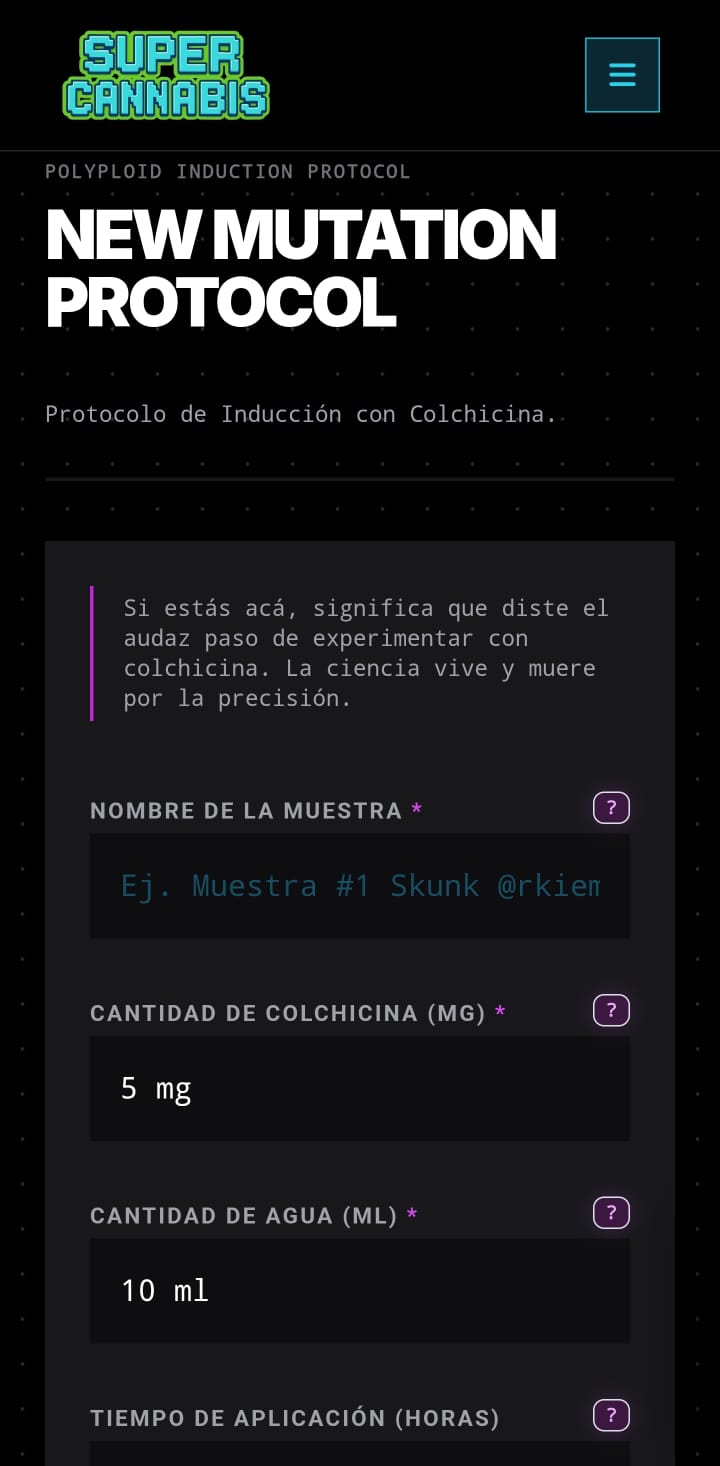
We base these starting concentrations on published polyploidy induction work (see linked references in the table). Always expect species-specific sensitivity and adjust cautiously. We base everything on 10ml of water (approx 1 tablespoon).
Laboratory: Place the colchicine tablets in a mortar and crush them
finely
with a pestle.
Kitchen: Wrap the colchicine tablets in a clean piece of paper and
crush
them into a fine powder using the back of a spoon on a hard surface.
Laboratory: Use a measuring cylinder to measure the exact volume of
water
needed (10ml).
Kitchen: Use a measuring cup or precise spoon to measure the required
amount of water, ensuring accuracy for the solution’s concentration. Use distilled,
dechlorinated water.
Gradually add the crushed colchicine to the water, stirring continuously to ensure it dissolves completely. Important: Prepare the colchicine solution immediately before application, as it is unstable in water and efficacy diminishes over time. Do not store; prepare fresh.
This method treats the entire plant from the start. The entire plant, from roots to leaves and flowers, will exhibit the mutation.
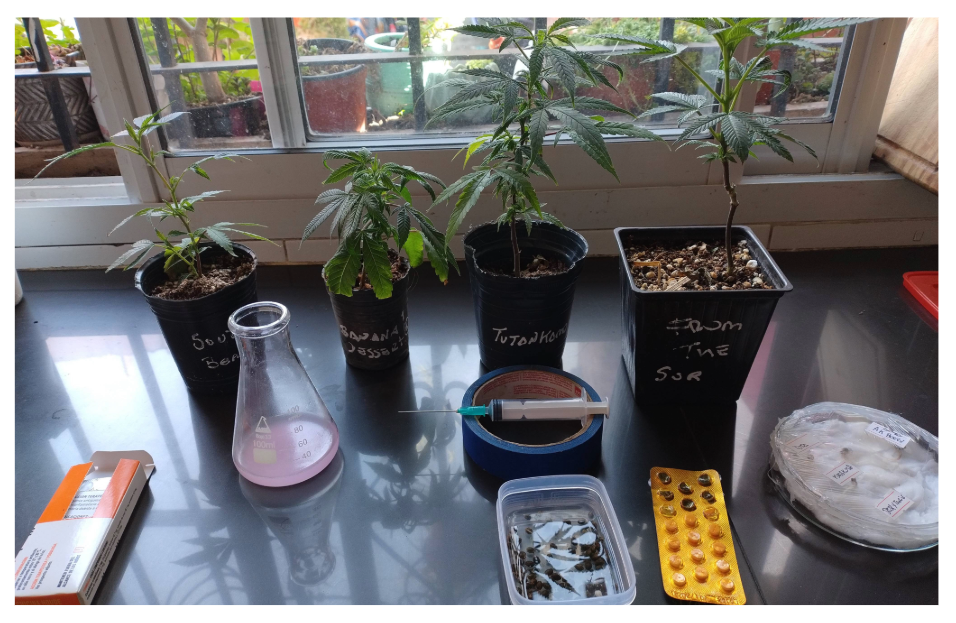
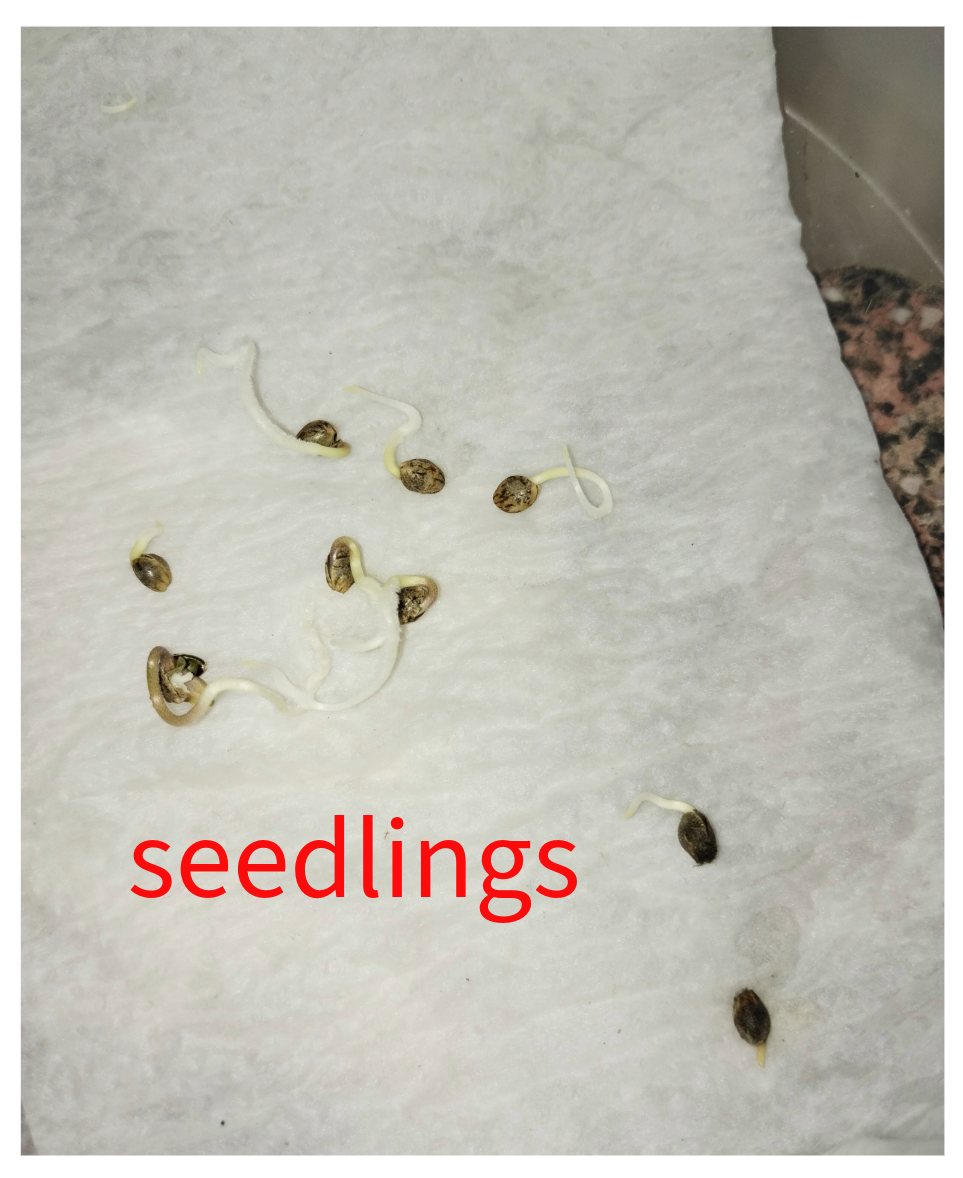
Place the seedlings in a Petri dish or any shallow container with a lid. This will be your working area to apply the colchicine.
Gently moisten the seedlings with the colchicine solution. Use a dropper or small spray bottle for controlled application. An alternative is complete submersion, but this is riskier.
Leave the seedlings in the colchicine solution for 8 to 24 hours. Extending this duration can be detrimental to the seedlings' health.
After the waiting period, rinse the seedlings three times with dechlorinated water to remove all traces of colchicine. This is crucial as residue can affect development.
Plant the treated seedlings in your preferred growing medium. At this point, the seedlings are considered polyploid candidates.
Targeted application to the apical meristem of a vegetative plant. This allows specific branches to be mutated, creating a chimera (part diploid, part polyploid) for direct comparison.
Choose either the main apical point or a lateral branch. Caution: If an apical cut is made during application, the colchicine may affect systemic transport. Ensure application is localized.
Moisten a small piece of cotton with the colchicine solution and apply it directly to the chosen apical meristem. Ensure full coverage. Secure the cotton if necessary.
Cover the treated area with a plastic bag or cling film to maintain high humidity. This environment is essential for colchicine effectiveness.
Periodically check the cotton and reapply solution if it dries. Continuous moisture is essential for absorption.
Allow to act for 12 to 36 hours. Then remove cotton and wash thoroughly with water to remove residue.
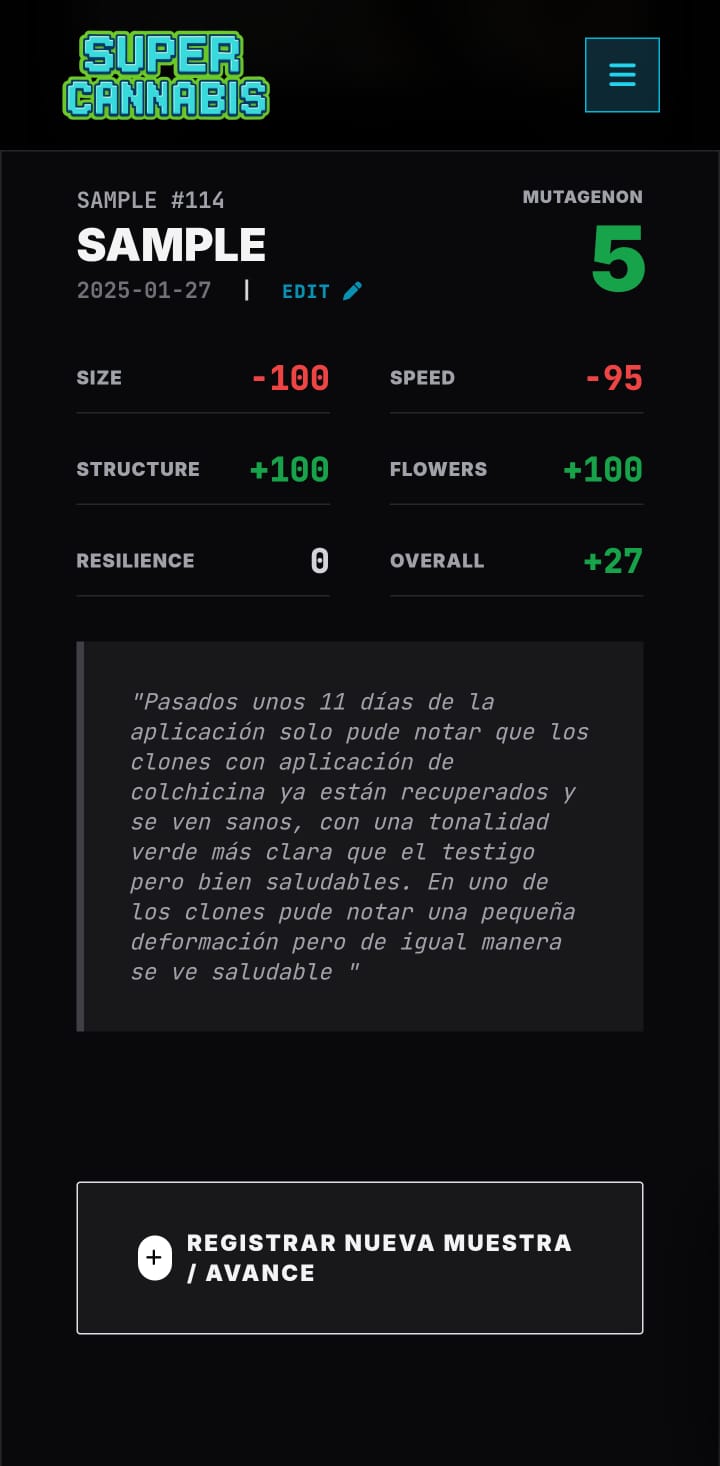
Each application should generate a report with initial evidence and recorded samples. Control vs treated comparison is what turns anecdotes into useful data.
This site does not replace proper safety practice. Follow the warnings in the existing protocol and the legal and label instructions of the product. If you cannot operate safely, do not participate.
We need data. We need rigorous observation. Join our botnet of growers and help us discover the next evolution of cannabis.